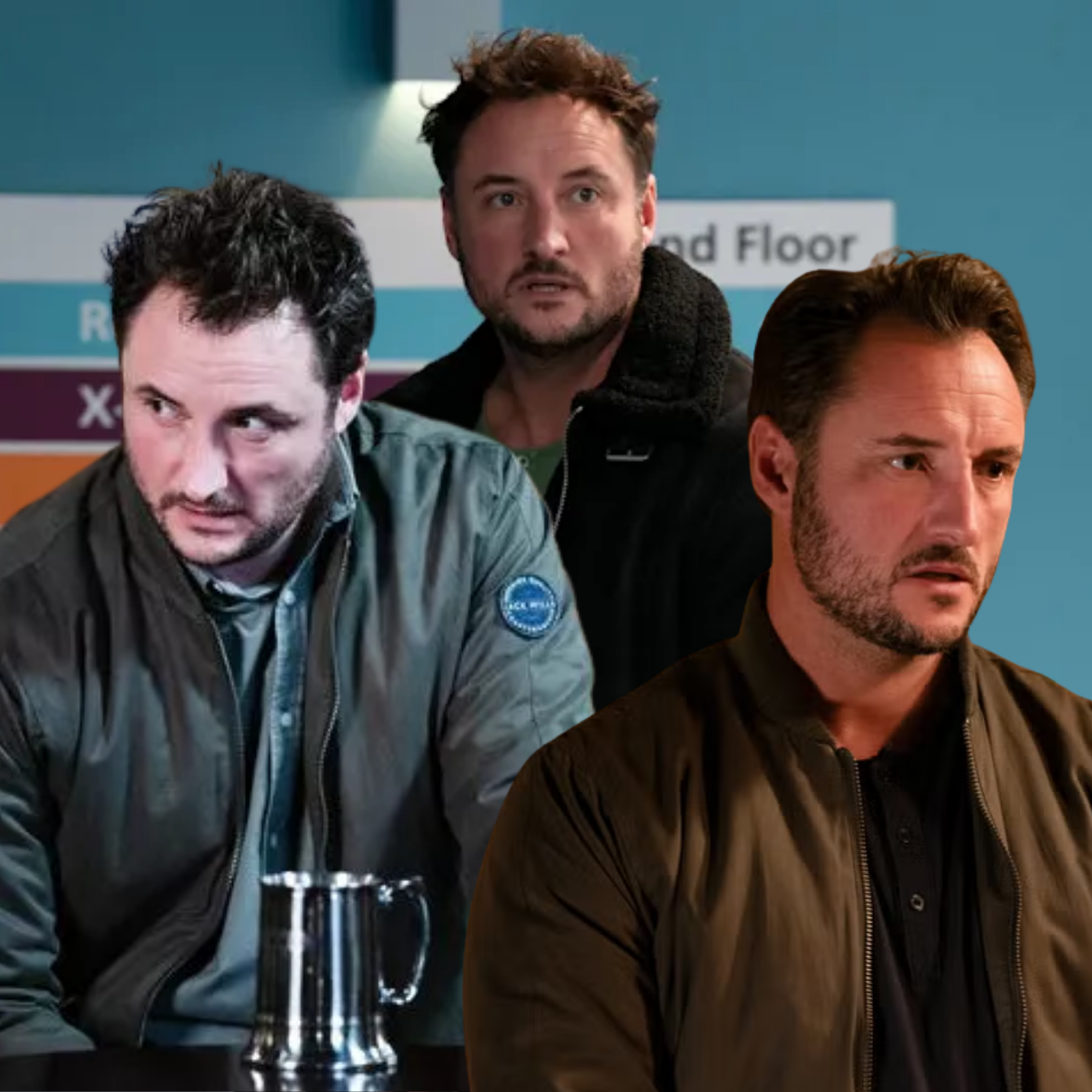
EastEnders: Star James Bye — REAL Reason He Quit the Show
When a familiar face leaves Albert Square the shock ripples beyond one storyline. That is exactly the case with James Bye’s departure from EastEnders. The actor’s exit arrives at a moment of peak drama for the BBC soap — with Zoe Slater fighting for her life in a horrific blaze, explosive family showdowns and layered mysteries converging across the Square — and the timing has intensified conversation among viewers and industry insiders about why Bye decided to walk away and what his departure means for the show’s future.
Bye’s exit is not a tabloid swerve. It reads like a considered career move wrapped in timing that benefits both actor and programme. After years inhabiting the emotional core of his character, Bye chose to leave when Martin Fowler’s arc could land with maximum dramatic force, allowing the storyline to drive meaningful consequences across Walford while giving Bye the chance to pursue new creative challenges. That decision is as much about artistic agency as it is about narrative logic. By stepping out during a pivotal dramatic window, Bye ensures his departure registers as a storytelling event rather than a footnote.
Leaving on a high stakes storyline
EastEnders is in the middle of a fraught spell of episodes. Multiple arcs collide in visceral ways: a stalking campaign that leaves Zoe Slater emotionally raw; a chilling reunion tied to witness protection that threatens to pull old secrets into the light; and a catastrophic fire at number 25 that traps Zoe and forces families into crisis. In this climate of high peril the writers expect audiences to feel every tremor. Bye’s decision to depart now gives producers dramatic room to reshape relationships and character priorities around the kind of losses and shocks soap viewers expect.
When a major player leaves during such turbulence it changes the emotional geometry of the Square. Characters who once orbited Bye’s role get pushed into new prominence. New alliances form. Old rivalries are reframed. That ripple effect is precisely why some actors choose big exits as a strategic career move: it grants them a decisive closing chapter and permits the show to use their absence as fuel for fresh creative energy.
Career momentum and creative appetite
Sources close to Bye framed his departure as a professional pivot rather than a dramatic burn out or backstage falling out. After a long tenure within the same world—part of the fabric of Walford—Bye appears motivated by a desire to test himself in other formats. Theatre work, screen roles outside soaps, and the opportunity to play different emotional registers draw performers away from serialized television. Actors often reach a point where staying risks typecasting; leaving at a narrative apex allows them to carry cultural currency into new projects. In short, Bye left with the creative momentum to pursue roles that require time, travel and flexibility not compatible with a year round soap schedule.
That practical calculus is crucial. EastEnders writers constructed an exit story that delivered emotional payoff. Bye’s choice to seize the moment showcases an actor wanting to leave on his own terms while his character’s narrative still mattered to viewers. It is a professional gamble with high potential reward.
The fan reaction and the show’s response
Viewer response to major departures is always intense. Social media lit up with shock, tears and debate when the exit aired. Longtime fans mourn continuity while critics praise the show for delivering bold plot moves. Producers now face the challenge of stitching Bye’s absence into subsequent episodes without letting the Square feel depleted. The good news for EastEnders is narrative supply: the show is mid-arc on a cluster of emotionally rich plots that can absorb and repurpose the dramatic energy left by Bye’s exit. From Zoe’s recovery and the investigation into the blaze to the fallout from Anthony Truman’s public bombshell at an engagement party, writers have fertile soil in which to plant new conflicts.
Crucially, the departure will force supporting characters to act. People who once relied on Bye’s presence must now make choices that reveal deeper character. That is precisely the engine story editors want when they lose a key performer: pain becomes plot. Friendships fracture, loyalties get tested, and the community’s moral fault lines become visible. For viewers the result is compelling television; for the cast it is raw material for awarding performances.
What writers can do with the void
EastEnders has long used exits as accelerants. A well written departure becomes the hinge for a larger season, and with ongoing arcs such as the stalking plot, Jasmine’s shocking connection to Cindy’s past in witness protection, and friction between Howie and Anthony, Bye’s absence will likely be woven into several story threads. The show can use absence to complicate relationships—forcing characters into confessional moments, increasing suspicion, and driving revenge or reconciliation arcs.
Moreover, departures allow the programme to elevate newer or sidelined cast members. As central figures exit, rising stars often step into the limelight. This keeps the show fresh and helps cultivate the next generation of fixtures who will carry Walford forward.
Possibilities of return: doors left open
Soap actors rarely slam doors entirely. The genre’s flexibility allows for returns via recasts, cameo appearances, dream sequences or memory scenes. Bye’s exit feels respectful to the character’s history, and that kind of ending keeps possibilities open for future appearances. An episodic return for a special storyline or anniversary episode would be plausible and emotionally satisfying—especially if it intersects with major continuing arcs like the aftermath of the blaze or the long term investigation into who targeted Zoe.
Industry watchers note that leaving gracefully increases the likelihood of future collaboration. Bye departs with credibility intact, and both he and the show retain the option of reuniting when schedules allow.
The broader industry lens
Bye’s move reflects a wider pattern in British television. Actors increasingly move fluidly between serial drama, stage work and limited series. For performers, a strategic exit from a high profile soap can catalyse a broader career arc. For producers, casting changes are a constant production reality, one that demands nimble storytelling and a willingness to let loss generate plot rather than simply weaken it.
In that sense Bye’s departure is less an ending than a pivot: for the actor, toward a wider body of work; for EastEnders, toward a new season of drama fueled by the creative opportunities his exit creates.
Final word
James Bye leaves Albert Square at a dramatic, dangerous moment for the show—one filled with fire, betrayal, returned faces and moral reckonings. That timing is no accident. He departs with a built-in narrative resonance that amplifies both his choice and the show’s capacity to respond with compelling storytelling. For viewers it is a bittersweet change: one actor gone, many stories intensified. For EastEnders the challenge is immediate: turn absence into plot, grief into action, and let Walford evolve again. For Bye the world outside the Square beckons, and his exit—calculated, emotional and dramatic—gives him the runway to take it on.