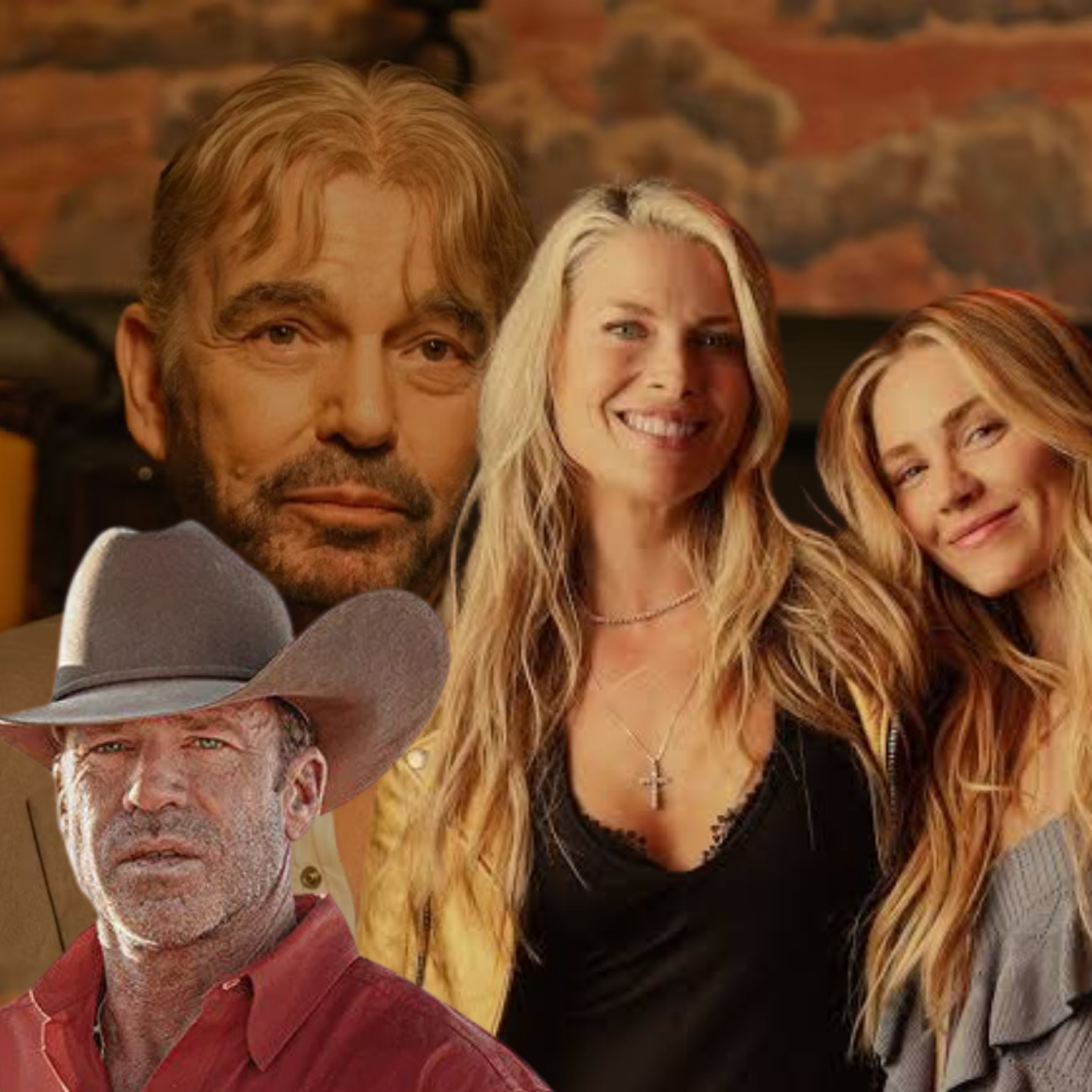
From ‘Yellowstone’ to ‘Landman,’ Taylor Sheridan Built TV’s Modern Western Empire, but Has His Signature Style Become a Trap?

As fans online have wasted no time pointing out, many of Sheridan’s biggest shows — Yellowstone, Landman, Tulsa King, etc. — follow the same basic formula. Sure, they’re set in different places and follow different sorts of people, but they all seem to feel like the same show. Sheridan is the king of introducing unlikable leading characters that we’ll be stuck with through seasons on end, forced to endure yet another liberal helping of sanctimonious monologues by characters you’d never ask for directions from, let alone familiar, political, or business advice. Most of the time, you can skip them entirely and still get the point, with Beth Dutton (Kelly Reilly) becoming the worst offender by Yellowstone‘s end.
Even shows that feel remarkably different from Sheridan’s usual neo-Western/crime fare, like the spy drama Lioness, still manage to pull from his other works. While the first season was unique by comparison, the main plot of Lioness Season 2 focuses largely on U.S.-Mexico border politics that feel like they were copied and pasted from his previous efforts with the Sicario films — and it’s not the first time. The very first episode of Yellowstone ends with Beth asking her father, John Dutton (Kevin Costner), who she should be fighting. “Everyone,” he replies. While it’s a fine line that makes sense considering the context, it feels quite lazy when we realize he wrote the same exchange for Sicario: Day of the Soldado, where Benicio del Toro‘s Alejandro asks Josh Brolin‘s Matt Graver who he’s going to start a war with. Can you guess Brolin’s reply? This is just one example of a reused line (“You’d think there are ten of me,” anyone?), but just as Sheridan often reuses the same faces in his material, similar story ideas and dialogue stray into other projects.
Many of Taylor Sheridan’s Characters Are Cut From the Same Personality Cloth

Of course, there are certainly exceptions. Zoe Saldaña‘s Joe McNamara is fiercely intelligent, strategically proficient, and a capable warrior who doubles as a concerned mother. There are nuances and intricacies to her that simply don’t exist in most of Sheridan’s neo-Western content. Likewise, 1923 as a whole — despite following the exact same “greedy land developers attacking the Dutton Ranch in hopes of turning it into a resort for the rich” pot from Yellowstone — offers a more well-rounded and emotionally available look at the show’s brand of cowboys and Indians than we ever got on the flagship series. Very much in the same footsteps as 1883, both 1923 and Lioness feel fresh by comparison due to the more self-contained nature of their stories, forcing Sheridan to come up with genuine beginnings and endings to character arcs rather than trying to aimlessly draw things out before ultimately failing to stick the landing.
Could Recycled Ideas Be Behind Taylor Sheridan’s Fallout With Paramount?
Because Sheridan works on so many of his projects by himself — Mayor of Kingstown and Tulsa King being the two exceptions to the general rule — it could be that Paramount had gotten sick of the filmmaker’s voice. After all, with all the thematic crossover between his works, it’s hard not to feel like Sheridan has gotten repetitive over the years. (We’re sure that the cost of his shows probably was a factor as well.) But whether you love each new Taylor Sheridan drama or you wrote off his Paramount content years ago, his move to NBCUniversal is certainly an interesting development none of us saw coming. Perhaps over there, Sheridan will be able to flex his creative muscles a bit more and produce grand new stories that will have the whole world talking the way it once did with Yellowstone.