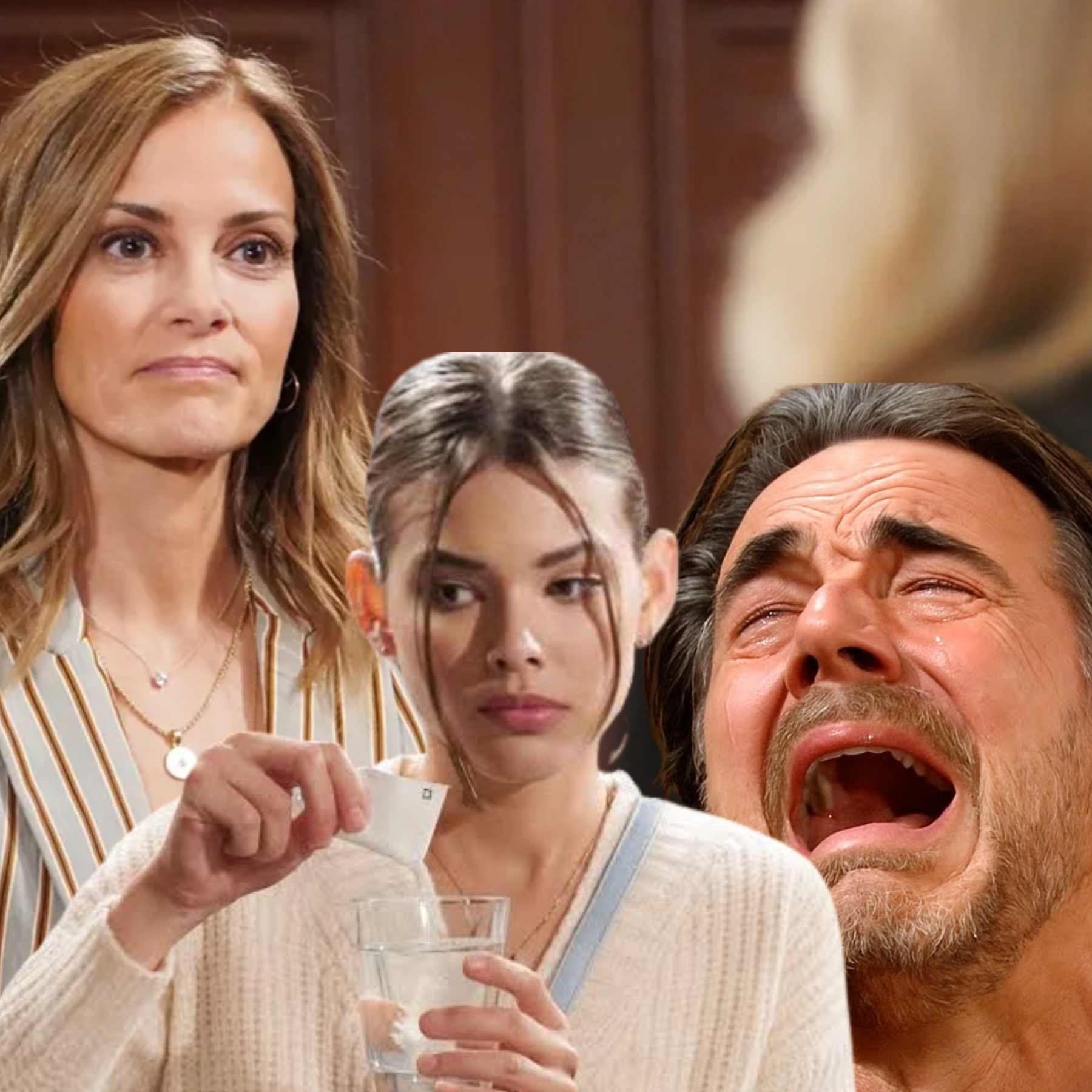
B&B Spoilers: Shocking Revelation Through Genetic Testing — Does Ridge Have a Lost Child?
It’s the kind of twist daytime drama lives for: DNA results, late-night confessions, and the collision of professional and personal worlds. But this arc stings because it lands where soap opera wounds always hurt most — in the middle of family dinners, boardroom meetings and the fragile scaffolding of long-rebuilt relationships.
The program that backfired
Forester Creations rolled out the genetic screening campaign as a noble, if slightly corporate, gesture. With patriarch Eric Forrester’s health declining and the company braced for a potential succession crisis, the initiative promised transparency: hereditary risk assessments for executives, staff and family members involved in the business. Participation was voluntary — and voluntary it was. It was supposed to be a unifying move, a modern act of care in a family used to solving problems with charm and couture.
Instead, the lab returned not a chart of cholesterol risks but a match that jolted the company to its core. A technician flagged unexpected overlap between the genetic profiles of Ridge and a younger Forrester Creations employee: Dylan Hayes, an art instructor recently tapped for the creative development team. The notation read bluntly: immediate biological relation.
The moment the quiet broke
Ridge’s morning routine — drafting silhouettes, approving fabric samples — stopped midstream when the sealed envelope in his hands disclosed the impossible. Memories tumbled back: a fleeting liaison years earlier with an artist named Mara Hayes, a woman who vanished after a collaborative European project. Ridge never knew she’d left with a pregnancy. Now, decades later, the daughter of that vanished chapter sat in the design room downstairs, unknowingly woven into the family tapestry.
Word, as it does, moved faster than decorum. Rumors spilled into the corridors of Forester Creations until the news reached Brooke in a way no spouse wanted: not from the man she loved, but through hushed gossip. The confrontation was devastating. Brooke — who has survived and forgiven more betrayals than most people would imagine possible — felt something different this time. This was not a late-night mistake; it was a secret that had lived for years. Her heartbreak was less about infidelity and more about the betrayal of truth itself.
Character fractures — Ridge, Brooke, and Dylan
What makes the revelation particularly combustible is the characters involved. Ridge, long portrayed as a man whose identity is fused to his work and his father’s approval, is suddenly stripped of control. His guilt is immediate and overwhelming: he didn’t know, he insists, and yet his silence feels like complicity. Brooke, whose life has been a series of returns, refusals and reinventions, cannot reconcile another layer of secrecy. She leaves — privately, not theatrically — and the distance between them feels like a permanent crease.
Dylan, for her part, is the eye of this emotional hurricane. A talented, low-profile designer who volunteered for the genetic program out of curiosity about her own past, she is blindsided. The company she respected and the family she admired become the arena of her identity crisis. When Ridge finally tells her the truth — through awkward, halting conversation rather than a dramatic reveal — Dylan’s response is quietly devastating: relief that a mystery has an answer, fury that someone hid it, and grief for the lost years.
Corporate fallout and public spectacle
This isn’t only a domestic drama. Forester Creations, a high-profile label, now faces a reputational storm. Investors and partners sense instability. Tabloid cameras converge. The fashion press, which once celebrated Forester as the embodiment of classic elegance, suddenly frames the company as a dynasty unraveling.
Stephanie (Steffy) jumps into crisis-management mode. She attempts to corral the press, reassure clients, and shore up the brand. But even Steffy’s cool competence can’t erase the human wreckage behind the headlines. Boardroom meetings and photo shoots become poker tables where family resentments are wagered. The initiative intended to protect the company’s future has become the very mechanism exposing cracks in its foundation.
Ethical questions and emotional consequences
The arc raises richer questions than “Who’s the father?” It forces the characters — and viewers — to confront the ethics of genetic testing, the cost of secrets, and the difference between truth and forgiveness. Ridge’s explanation, that he didn’t know and didn’t act, collides with Brooke’s exhausted demand for honesty. Dylan’s anger is not only personal but principled: she accuses Ridge of letting her work under the same roof as the man who denied her the basic knowledge of his existence.
For Ridge, the revelation compels growth or collapse. Will he double down on his art as a refuge, or will his guilt lead to a quieter, more sustained effort to be present for the woman he fathered? For Brooke, the arc is a crossroads: she can reconcile again out of habit, or she can choose a life that demands more respect than shelter. And for Dylan, the result is both an identity and a burden: she must decide whether Forester Creations is a family to accept, or a legacy to resist.
Alliances and future conflicts
Predictably, alliances shift. Thomas, angry and defensive, lashes out at Ridge for the awkwardness of family integration. Steffy, while pragmatically focused on saving the brand, must navigate her own complicated loyalties. Eric, ever the elder statesman despite his frailty, watches the collapse with a complex mix of concern and melancholy — he understands the corrosive effect of secrets better than anyone.
Mara Hayes’ return — she arrives from Europe and confirms the paternity — further complicates public perception. Her composed statement that Ridge “didn’t know” adds fuel to Brooke’s sense that forgiveness is too easy for a man the public still adores.
The long game: forgiveness, duty, and art

This storyline isn’t a sprint; it’s a seasonal arc that will shape relationships, boardroom dynamics and creative direction at Forester Creations. The immediate drama is the scandal, but the long-term stakes are higher: the company must decide whether to integrate Dylan as a forester in name as well as in practice — offering her legitimacy and voice — or to push her to the margins where resentment will fester.
On the emotional side, the arc promises tender scenes: Ridge trying to earn trust, Brooke asserting autonomy, Dylan finding a professional and familial footing. These quieter moments will contrast with the public spectacle to keep the drama human and relatable.
Daytime television thrives on reinvention, and this latest twist gives The Bold and the Beautiful a rare blend of intimate heartbreak and institutional consequence. Ridge’s lost child is not simply a plot device; she’s a mirror held up to a man who has spent a lifetime designing illusions of perfection. The question now is not merely “Does Ridge have a lost child?” — it’s whether that truth will lead to redemption or ruin.
For viewers, that is the delicious-but-painful part: watching a family we thought we knew confront the cost of its choices, stitch by fragile stitch. Expect courtroom-caliber confrontations, fashion-world fallout, and, most importantly, human reckonings that will redefine what “family” — and the Forester legacy — actually mean.